Company
FERNHILL GARDEN PRODUCTS WORK WITH NATURE
Plants and soil communicate! And they use bacteria to get the job done! Plants will release sugars (called “exudates”) to the soil to feed bacteria that then release the nutrients the plant wants, when the plant wants it: Nature’s wisdom in action! Fernhill bacteria provide that link between soil and plants to increase plant growth and vigor! If you want more abundance in your garden, BioAbundance is the answer!
Modern agriculture results in pollution, chemical run off, water mismanagement, erosion and other problems that make soil less healthy and damage natural microbial communities. BioAbundance replenishes soil and breaths life into your garden! Even if your garden is a step above the rest, more is better when it comes to soil life and microbial diversity! This simple addition to your garden will prevent troubles from arising, and take your garden bounty to the next level.
BioAbundance increases soil diversity and fertility by allowing your plants to get the nutrition they want, when they want it! These specialized bacteria aid in the uptake of vital plant nutrients, and make your garden soil better year after year! Building a rich soil full of healthy dark humus.
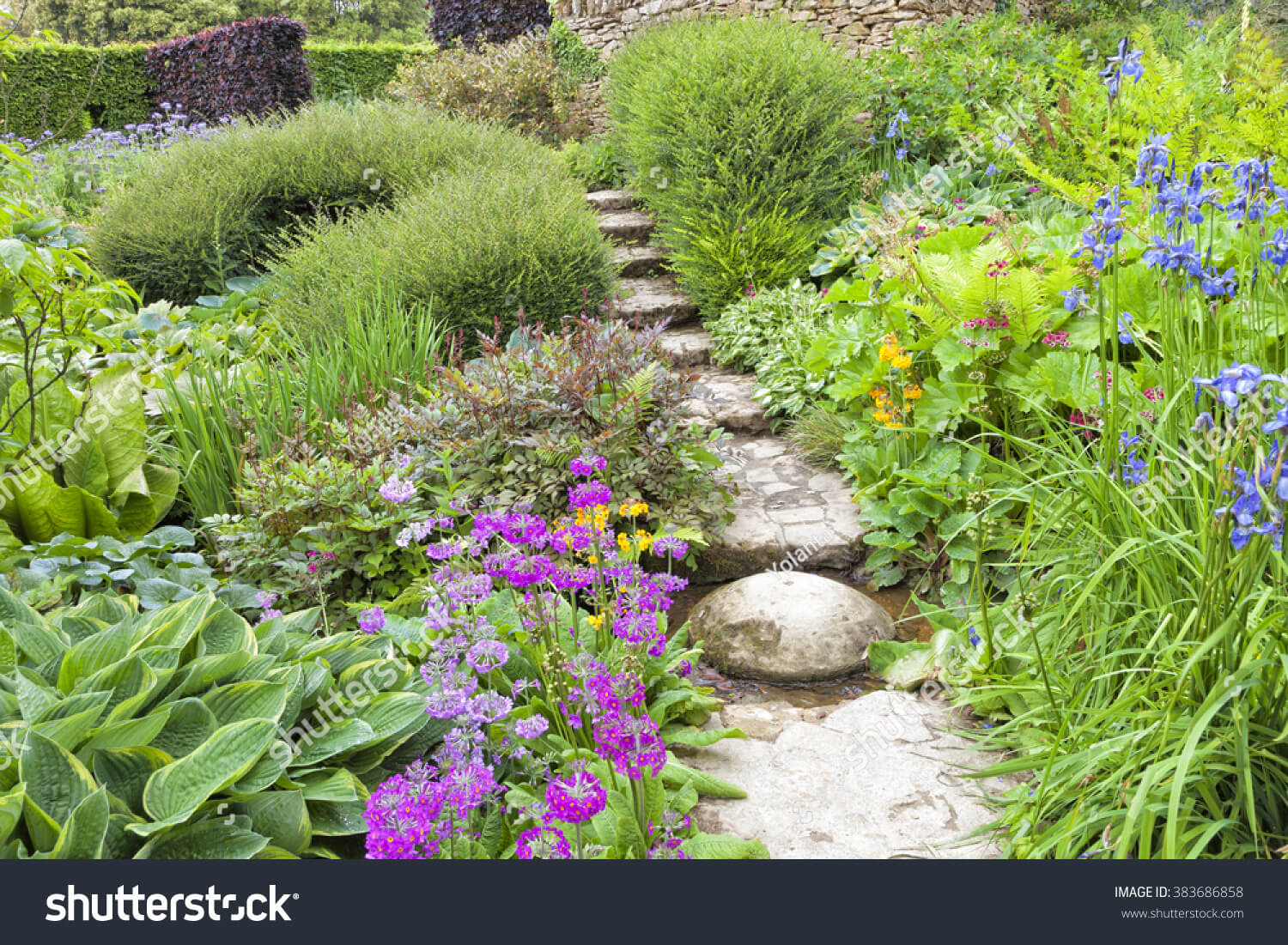
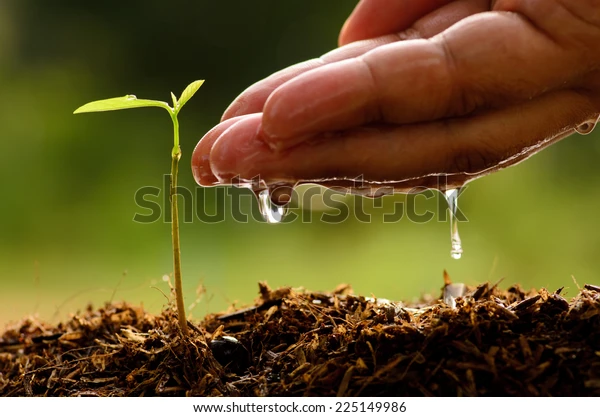
Bio Abundance accelerates the natural processes that soil and plants thrive upon.
Did you know that plants actually literally grow out of thin air? Sure, they seem to grow up out of the ground, but they mostly just use their roots for stability, water uptake, and some vital mineral uptake. The bulk of the process literally happens out of the air!
Let’s walk through it:
Plants, like most living things, are mostly water. When you remove the water, what is the rest of the stuff? Like all life once again, it is mostly carbon. With plants, that carbon is plucked out of the air via photosynthesis! Plants pull the CO2 out of the air, keep the carbon for themselves, and then breathe out precious O2 (what we humans breathe). All that carbon they keep for themselves becomes sugars which they use as the building blocks of their structure and the fuel for their functioning. And a lot of the carbon is pushed underground into their root systems! They also actually pump this carbon into the soil food web itself via root exudates (fancy word for stuff plants use to feed soil organisms to get their own plant food in exchange). When you garden correctly, you increase the soil carbon year after year, creating more and more healthy soil which can support more and more healthy plants!
The Fernhill approach to garden inputs increases this natural process, “fixing carbon” into your garden soil. So our products are good for the plants, good for the soil, good for you and good for the future!
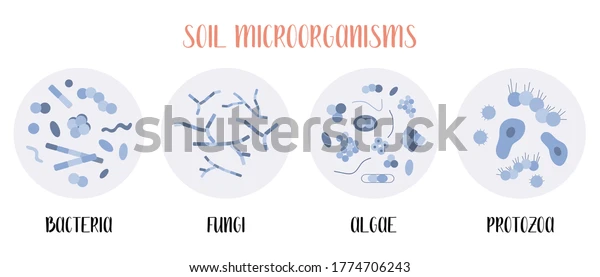
A very brief look at soil biology
What lives in the soil? Well, there’s a whole lot bacteria, like trillions upon trillions a trillion times over and then some… more than we can ever count! And not far behind are fungi, protozoa, nematodes, micro-arthropods, etc… all participating in this very complex food web cycling nutrients back and forth.
Most of these organisms are completely harmless to plants and humans like. Some are very helpful for plants, some are helpful for humans (think digestive gut flora), just like some are harmful for plants, and some potentially harmful for humans. The ones that are harmful to plants tend to eat the plant itself for it’s own survival – not just a large caterpillar eating the leaf, but also tiny fungi/bacteria/nematodes/etc… that cause the plant to suffer and often ultimately die!
A product that is designed to kill specific pests is called a pesticide. Once you have a really bad infestation, you often need to resort to this kind of product to get things back into balance. However, how did the infestation come about in the first place? Something went wrong somewhere… the natural check’s and balances of nature were not in place, and/or the plant’s health was failing and its own immune system was unable to protect itself.
Introducing the fancy term “competitive exclusion”. When you have a huge diversity and density of living organisms in the soil, the natural checks and balances are more effective, and plants are less likely to experience bad pest infections. Let’s think about a plant pest as a human. Think about a small group of mean and rough individuals showing up at your small dinner party, there’s only four or five of them, but there’s only four or five of you too! All of a sudden they are taking control and ruining the whole affair! Now imagine that exact same group of ruffians showing up at an enormous event you’re hosting with several hundred people. Their antics are much easier kept in check by the sheer volume of other people around, they might stick around and cause some trouble, but they simply can’t take over the entire event like they did the small dinner party. The Fernhill credo is to offer products that increase soil diversity, and promote the soil’s natural checks and balances, promoting maximum garden vitality!

We all come from the earth, to the earth we shall return! If you learn to care for the soil, the soil will in turn care for your plants. Have you ever seen anyone going into the forest and spreading fertilizer around? No, or at least hopefully not! Forests don’t need fertilizer because the plants get all the nutrition they require from the soil! Leaf litter falls and decomposes and feeds the other plants. The plants in nature are not directly eating the other dead plants, just like with organic gardening, plants are not actually eating the fertilizer you apply to the soil! Plants live off the byproducts of bacteria and other soil organisms. These tiny decomposers eat the leaf litter (and your fish meal, manure, feather meal, etc…) and the plants thrive off what the decomposers discard: in short, plants directly eat bacteria poop. By adding more bacteria to your garden, you make this natural process happen faster, so the plant can grow.
This error message is only visible to WordPress admins
Error: No feed found.
Please go to the Instagram Feed settings page to create a feed.
© FERNHILL GARDEN PRODUCTS 2022
THEME BY ECLAIR DESIGNS